
Team Project Tracker: The Ultimate Must-Have Guide for Success
In today’s fast-paced work environment, keeping track of multiple tasks, deadlines, and team contributions can be overwhelming. A team project tracker is an essential tool that helps streamline project management, improve communication, and boost overall team productivity. Whether you’re managing a small group or a large department, understanding how to leverage a team project tracker can be the difference between success and missed deadlines.
What Is a Team Project Tracker?
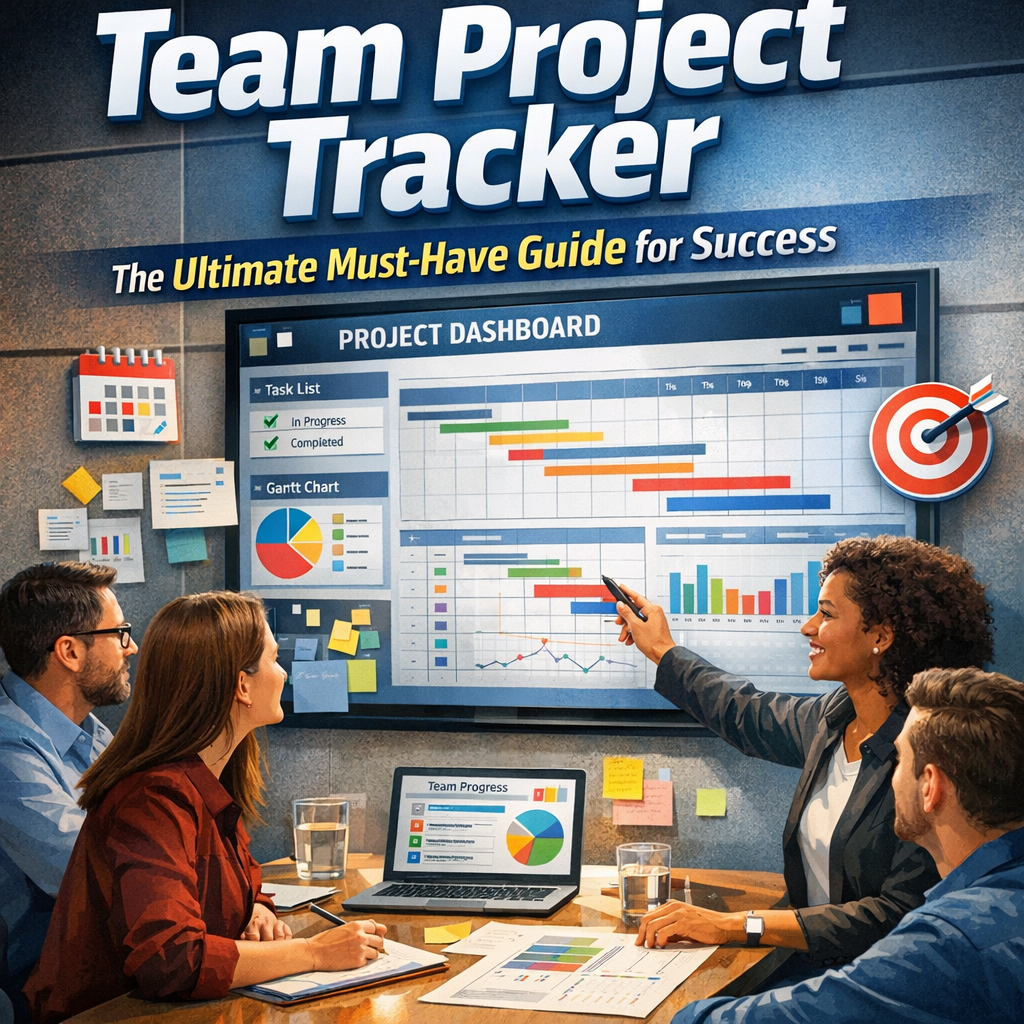
A team project tracker is a software or system designed to monitor the progress of projects, assign tasks, set deadlines, and facilitate collaboration among team members. It can be as simple as a shared spreadsheet or as sophisticated as dedicated project management software like Asana, Trello, or Monday.com. The primary goal is to bring transparency, accountability, and organization to collaborative work.
Why Every Team Needs a Team Project Tracker
When multiple people work on a project, it’s easy for tasks to get lost or delayed. Here are key reasons why a team project tracker is a must-have:
– Better Task Management: Clearly defines who is responsible for what, reducing confusion and overlap.
– Improved Communication: Centralizes updates and feedback, eliminating endless email chains.
– Real-time Progress Tracking: Allows managers and team members to monitor milestones and deadlines at a glance.
– Resource Allocation: Helps identify bottlenecks or teams that need extra support.
– Enhanced Accountability: Everyone knows their responsibilities and deadlines, fostering a culture of ownership.
Features to Look for in a Team Project Tracker
Not all trackers are created equal. Choosing the right one depends on your team’s needs, but here are essential features to keep in mind:
1. Task Assignment and Scheduling
The ability to assign tasks to specific team members and set deadlines is fundamental. Look for trackers that allow task dependencies — meaning some tasks can’t start until others are completed — to better plan workflows.
2. Visual Timeline and Dashboard
Visual tools like Gantt charts or Kanban boards help everyone understand project status at a glance. Dashboards provide customized views of tasks, priorities, and upcoming deadlines, keeping the team focused.
3. Collaboration Tools
Built-in messaging or comment functions allow team members to discuss tasks in context, reducing the need for external communication channels.
4. Automated Notifications
Notifications remind team members of approaching deadlines, new task assignments, or changes to the project plan. This feature helps keep everyone in sync without manual follow-ups.
5. Reporting and Analytics
Tracking progress is only one part of the picture. Having detailed reports on task completion rates, time spent, and resource utilization helps managers optimize future projects.
How to Implement a Team Project Tracker Effectively
Introducing a team project tracker is more than just picking software; it requires a thoughtful approach to adoption:
1. Assess Your Team’s Needs
Consider the size of your team, the complexity of your projects, and how your team currently communicates and tracks progress. This will guide your choice of the right tool and features.
2. Choose the Right Tool
Evaluate multiple options through free trials or demos, and involve the team in the decision-making process to promote buy-in.
3. Set Clear Processes
Define how tasks will be created, updated, and completed within the tracker. Standardizing these processes reduces confusion and ensures data accuracy.
4. Provide Training
Equip your team with the knowledge to use the tracker effectively. Offer training sessions, guides, or video tutorials to smooth the learning curve.
5. Regularly Review and Adjust
Make the tracker a living tool by reviewing its effectiveness periodically. Gather feedback and refine workflows to continuously improve project tracking.
The Impact of Using a Team Project Tracker on Success
Teams that consistently use a project tracker benefit in several ways:
– Increased Efficiency: Less time spent on follow-ups and clarifications means more time executing tasks.
– Higher Quality Outputs: Clear expectations and real-time feedback result in better deliverables.
– Greater Transparency: Managers can spot issues early and allocate resources where they’re needed most.
– Boosted Morale: Team members feel more engaged when they understand their role and see progress being made.
Conclusion
A team project tracker is no longer optional in the modern workplace; it is indispensable for managing projects effectively. By selecting the right tool, customizing it to your team’s needs, and encouraging consistent use, you can transform how your team operates. This investment paves the way for smoother workflows, on-time project completion, and ultimately, successful outcomes. Whether you’re a project manager, team lead, or contributor, embracing a team project tracker will empower your team to work smarter—not harder—and achieve goals with confidence.