
Smart Office Tools: The Ultimate Guide to Must-Have Solutions
In today’s fast-paced and highly connected world, smart office tools have become essential for businesses aiming to enhance productivity, streamline operations, and foster a collaborative work environment. These innovative solutions leverage advanced technology to bring automation, efficiency, and convenience to everyday office tasks. Whether you’re managing a small startup or running a large corporation, incorporating the right smart office tools can transform your workspace into a digital powerhouse.
What Are Smart Office Tools?
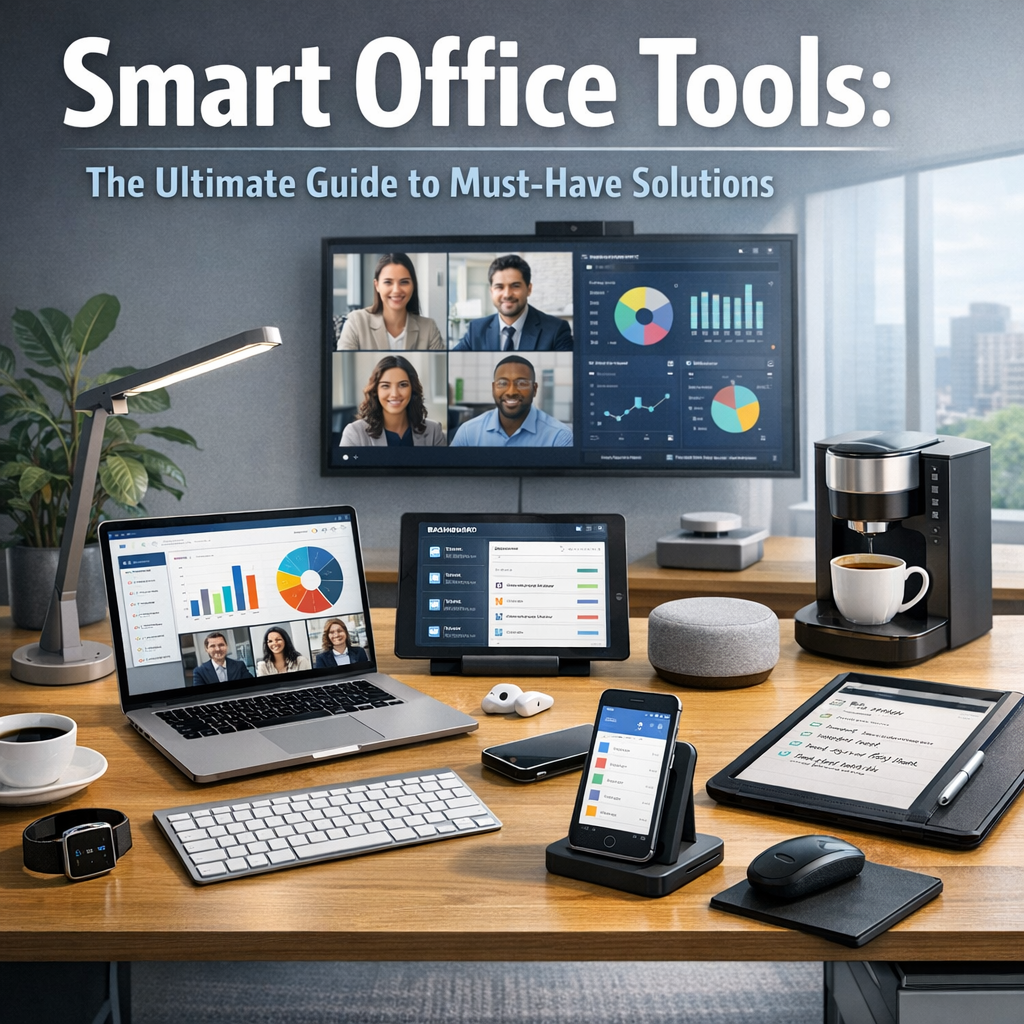
Smart office tools are technology-driven solutions designed to automate and optimize various aspects of office management and workflow. They include hardware devices, software applications, and integrated systems that enhance communication, organization, security, and employee well-being. These tools utilize technologies like artificial intelligence, cloud computing, Internet of Things (IoT), and real-time data analytics to offer meaningful insights and simplify complex processes.
Why Smart Office Tools Are Essential for Modern Workplaces
The modern workplace is evolving rapidly, driven by remote work trends, rising employee expectations, and the need for environmental sustainability. Traditional office setups often fall short in addressing these demands. Smart office tools help bridge the gap by:
– Improving productivity: Automating routine tasks and providing real-time collaboration platforms reduce downtime and improve efficiency.
– Enhancing communication: Unified communication tools enable seamless collaboration across different departments and locations.
– Boosting engagement: Smart tools can support flexible work arrangements and provide employees with better control over their work environment.
– Reducing costs: Optimized energy management and resource allocation lower operational expenses.
– Ensuring security: Advanced security solutions keep sensitive data and physical spaces protected.
Must-Have Smart Office Tools for Every Workspace
1. Smart Meeting Room Solutions
Meeting rooms are the heart of many office interactions, and inefficient meetings can drain valuable time and resources. Smart meeting room tools include scheduling software that integrates with employees’ calendars, automated booking systems, and IoT-enabled devices that monitor room usage and optimize space allocation. Additionally, video conferencing platforms with high-definition cameras and noise-cancelling microphones facilitate smooth virtual meetings.
2. AI-Powered Virtual Assistants
Virtual assistants equipped with AI capabilities help in automating administrative tasks such as managing emails, scheduling appointments, and setting reminders. These tools can also provide quick answers to common questions and support customer service teams by handling repetitive inquiries, allowing human agents to focus on more complex issues.
3. Collaborative Project Management Platforms
Project management software like Asana, Trello, or Monday.com combines task tracking, real-time updates, and communication features to ensure teams stay aligned and deadlines are met. These platforms often include integrations with other productivity apps and offer mobile versions to maintain connectivity even when on the go.
4. Smart Security Systems
Security is a primary concern for any office space. Smart security systems include biometric access controls, smart cameras with facial recognition, and real-time alerts. These technologies not only safeguard physical premises but also protect digital assets through advanced cybersecurity tools, including multi-factor authentication and AI-driven threat detection.
5. Energy Management and Environmental Controls
Smart thermostats, lighting systems, and occupancy sensors help create sustainable office environments. By automatically adjusting settings based on occupancy and time of day, these devices reduce energy consumption and create a comfortable workspace. This not only supports corporate social responsibility goals but often results in significant utility savings.
Choosing the Right Smart Office Tools for Your Business
Selecting the best smart office tools depends on your business size, industry, and specific needs. Here are some tips to guide your decision:
– Assess your current challenges: Identify pain points such as communication hurdles or inefficient space management.
– Prioritize user-friendliness: Tools should be easy to integrate and intuitive for employees to adopt.
– Ensure scalability: Opt for solutions that can grow along with your business.
– Consider interoperability: Choose tools that can seamlessly connect with your existing systems.
– Focus on security: Data protection should be a non-negotiable feature.
The Future of Smart Office Tools
Looking ahead, smart office tools will continue to evolve with advances in artificial intelligence, augmented reality, and 5G connectivity. We can expect even more personalized work experiences, predictive analytics that anticipate business needs, and enhanced remote collaboration capabilities. These developments promise to make offices more adaptive, efficient, and employee-centric than ever before.
Conclusion
Investing in smart office tools is a strategic move that empowers businesses to stay competitive in a digital-first landscape. By automating routine tasks, enhancing communication, improving security, and promoting sustainability, these intelligent solutions create a thriving work environment tailored for the modern workforce. Start exploring the must-have smart office tools today to unlock your office’s full potential.