
Digital Workspace Tools: The Ultimate Guide to Best Must-Have Solutions
In today’s fast-paced and increasingly remote work environment, digital workspace tools have become essential for businesses and individuals alike. These tools streamline workflows, enhance collaboration, and boost productivity by providing a virtual environment where teams can communicate, share information, and manage projects seamlessly. Whether you’re a small startup or a large corporation, understanding and leveraging the best digital workspace tools is crucial to staying competitive and efficient.
What Are Digital Workspace Tools?
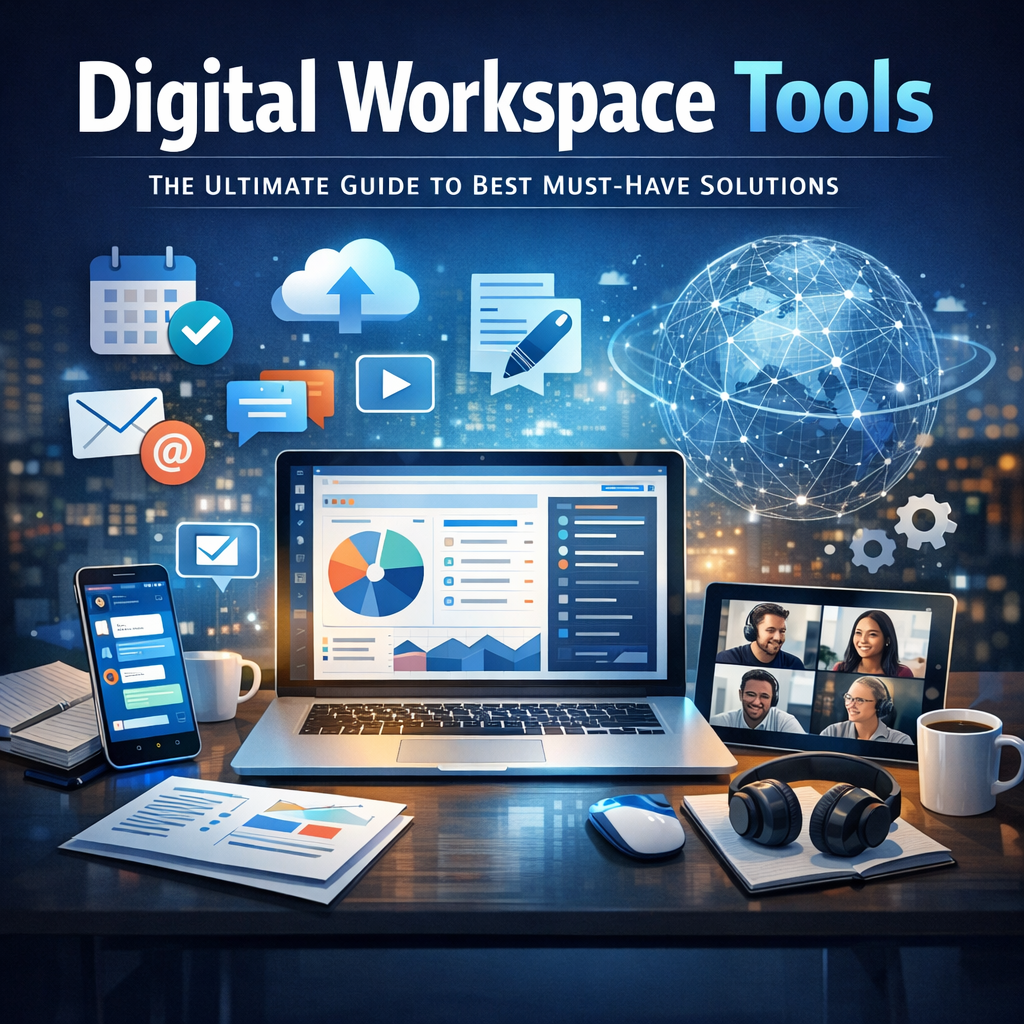
Digital workspace tools are software solutions designed to create a centralized, virtual workspace where employees can access everything they need to perform their jobs effectively. These tools typically combine communication platforms, project management systems, file storage, and productivity applications into one integrated environment. The primary goal is to break down traditional silos, encourage collaboration, and improve workflow transparency.
With more organizations adopting hybrid or fully remote work models, digital workspace tools have shifted from being ‘nice-to-have’ to ‘must-have’ solutions for maintaining operational continuity and employee engagement.
Why Digital Workspace Tools Matter
The rise of digital workspace tools is driven by the increasing need for flexibility and efficiency in the modern workplace. Here’s why they are indispensable:
– Enhanced Collaboration: Teams, regardless of location, can connect in real-time, share ideas, and solve problems faster.
– Improved Productivity: By centralizing resources, employees spend less time switching between apps and more time on meaningful work.
– Streamlined Communication: Integrated messaging, video conferencing, and email reduce miscommunication and keep everyone informed.
– Remote Work Enablement: Support for remote and hybrid teams ensures business continuity even when employees are spread across different geographies.
– Data Security and Control: Many digital workspace tools include built-in security features to protect sensitive information and ensure compliance.
Must-Have Digital Workspace Tools for Every Organization
1. Communication Platforms
Robust communication tools lie at the core of any digital workspace. Platforms like Slack, Microsoft Teams, and Google Chat offer instant messaging, voice, and video calls, and the ability to create channels for specific projects or departments. These foster quick and organized communication, helping to reduce email overload.
2. Project Management Software
Managing tasks and deadlines is made more efficient with project management tools. Solutions such as Asana, Trello, and Monday.com allow teams to assign tasks, set timelines, track progress, and visualize workflows with boards or lists. This level of transparency minimizes confusion and helps teams meet their goals on time.
3. Cloud Storage and File Sharing
Secure cloud storage tools are essential for easy access and collaboration on documents. Services like Google Drive, Dropbox, and OneDrive enable teams to store files centrally, share them effortlessly, and collaborate on documents in real-time. Version control ensures everyone is working on the most up-to-date content.
4. Virtual Meeting Tools
Face-to-face interaction is critical, even in a virtual environment. Tools like Zoom, Microsoft Teams, and Google Meet provide dependable video conferencing with features such as screen sharing, breakout rooms, and recording capabilities, facilitating richer collaboration during meetings.
5. Productivity Suites
Comprehensive productivity suites combine word processing, spreadsheets, and presentations with collaboration features. Microsoft 365 and Google Workspace dominate this space, offering seamless integration with email, calendars, and cloud storage.
Tips for Choosing the Right Digital Workspace Tools
Selecting the right solutions involves more than picking popular software. Consider the following factors:
– Integration: Opt for tools that integrate well with your existing systems for a smoother workflow.
– User Experience: An intuitive interface encourages higher adoption rates among employees.
– Scalability: Choose tools that can grow with your business and adapt to changing needs.
– Security: Ensure tools comply with security standards and protect sensitive company data.
– Budget: Balance features and costs to find solutions that deliver maximum value.
How to Implement Digital Workspace Tools Effectively
Successful adoption of digital workspace tools requires careful planning and training:
– Assess Needs: Start by understanding your team’s workflow and pain points.
– Pilot Testing: Implement tools with a small group first to gather feedback and make adjustments.
– Training and Support: Provide comprehensive training sessions and resources to help employees become proficient users.
– Encourage Adoption: Promote a culture of digital collaboration and lead by example.
– Evaluate Regularly: Continuously monitor tool usage and performance to optimize your digital workspace.
The Future of Work with Digital Workspace Tools
As technology advances, the functionality of digital workspace tools continues to expand. Artificial intelligence (AI) and machine learning are being integrated to automate repetitive tasks, provide intelligent insights, and personalize user experiences. Additionally, augmented reality (AR) and virtual reality (VR) could soon transform virtual meetings into immersive environments.
For organizations willing to embrace these changes and invest in the right digital workspace tools, the future holds tremendous potential for innovation, flexibility, and growth.
—
In summary, digital workspace tools are the backbone of modern work environments, enabling teams to communicate effectively, manage projects efficiently, and maintain high productivity regardless of location. By leveraging the right combination of communication, project management, storage, and productivity solutions, businesses can create a seamless and engaging virtual workplace that drives success in today’s digital age.