
Digital Workflow Systems: The Ultimate Guide to Effortless Efficiency
In today’s fast-paced business environment, digital workflow systems are revolutionizing the way organizations manage tasks, projects, and collaborations. These systems enable businesses to streamline their processes, reduce manual errors, and improve overall productivity. As companies grapple with increasing volumes of data and complex procedures, digital workflow systems become essential tools that foster seamless communication and higher operational efficiency.
What Are Digital Workflow Systems?
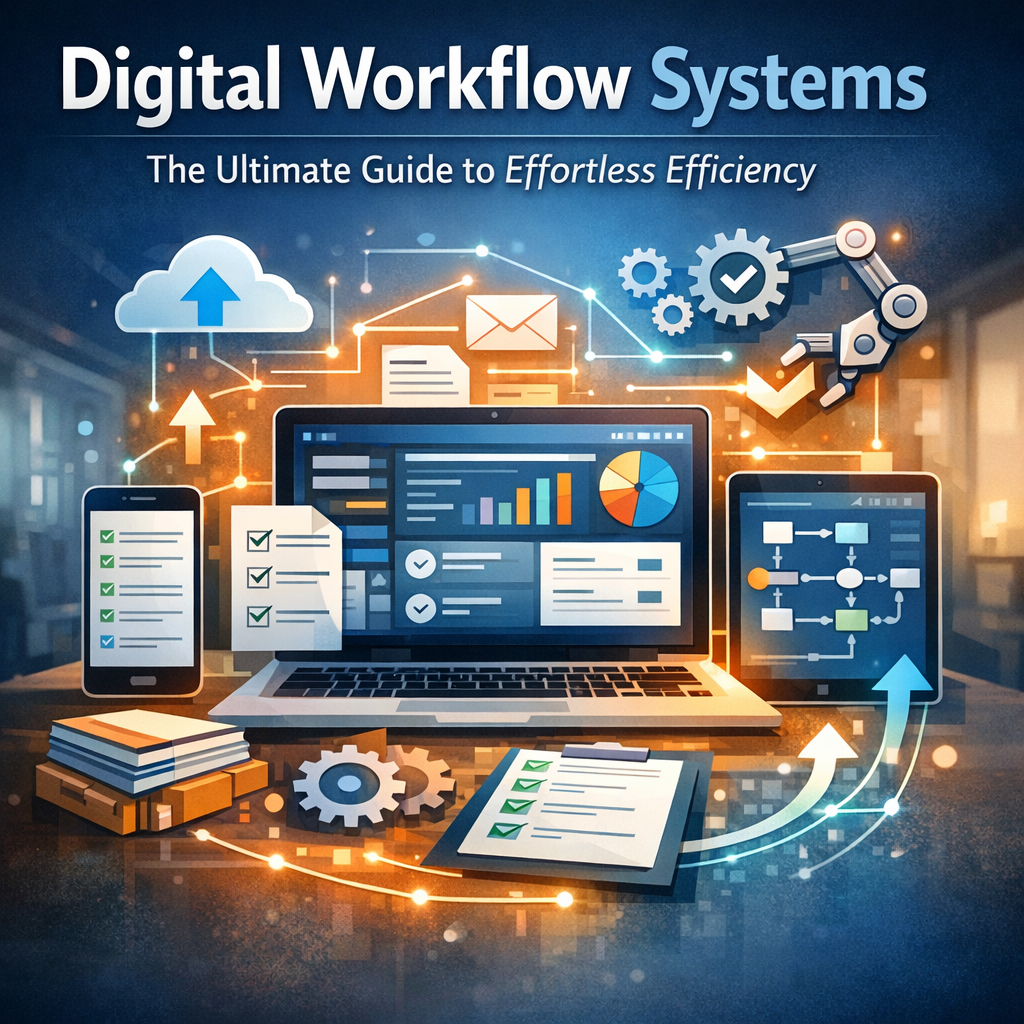
Digital workflow systems refer to software platforms designed to automate and manage a series of tasks within a business process. Unlike traditional manual methods, these systems integrate digital tools that facilitate task allocation, progress tracking, and collaboration among team members. The core purpose is to replace paper-based or fragmented approaches with a single, coherent digital solution that ensures every process step is completed on time and according to pre-defined rules.
These systems can handle simple workflows, such as employee onboarding, or more complex cycles, like invoice processing or multi-department project management. By mapping out workflows visually and embedding automation rules, digital workflow systems eliminate bottlenecks and human errors, allowing organizations to focus on strategic priorities.
Key Benefits of Digital Workflow Systems
Investing in digital workflow systems comes with multiple advantages that translate into increased efficiency and profitability:
1. Enhanced Productivity
One of the most significant impacts of digital workflow systems is their ability to save time. Automation of repetitive tasks like notifications, approvals, and data entry frees employees to concentrate on higher-value activities. Furthermore, the clarity in task assignments ensures no steps are overlooked or duplicated, accelerating project completion.
2. Improved Collaboration
Modern digital workflow systems often include built-in communication tools and centralized document repositories. These features allow team members to access the latest updates, share feedback, and maintain transparency throughout the process. By reducing email chains and misunderstandings, workflows become not only faster but also more cohesive.
3. Greater Accountability and Traceability
Every action within a workflow is tracked and logged, making it easy to monitor progress and identify bottlenecks. This level of transparency fosters accountability among employees and provides managers with real-time insights to make informed decisions. Digital audit trails also help meet regulatory requirements where compliance is crucial.
4. Reduced Operational Costs
By minimizing errors and eliminating paper-based processes, digital workflow systems help cut operational expenses. Additionally, the faster turnaround times reduce overhead and enhance customer satisfaction, which can directly impact revenue.
How to Choose the Right Digital Workflow System
Selecting the appropriate digital workflow system depends on your organization’s unique needs, size, and existing infrastructure. Here are the key factors to consider:
Compatibility and Integration
Ensure the workflow system can integrate smoothly with your current tools, such as CRM software, email systems, or project management platforms. Seamless integration reduces friction and allows data to flow effortlessly across departments.
User-Friendly Interface
A system with an intuitive, easy-to-navigate interface encourages adoption among employees. Complex, difficult platforms often result in resistance or underutilization, which defeats the purpose of digitalizing workflows.
Customization and Scalability
Look for software that allows customization of workflow templates tailored to your business processes. As the organization grows, the system should scale accordingly without requiring a complete overhaul.
Security Features
Given the sensitive nature of business data, robust security protocols like encryption, access controls, and compliance with industry standards are essential considerations.
Implementing Digital Workflow Systems Successfully
Transitioning from traditional workflows to digital solutions requires careful planning and execution. Here are some tips to ensure a smooth implementation:
Start Small and Scale
Begin by automating a few key processes where you can easily measure impact and gather feedback. This approach makes the transition manageable and paves the way for broader adoption.
Involve Stakeholders Early
Engage employees from different levels during the selection and design phases. Their insights will help create workflows that fit actual working conditions and increase buy-in.
Provide Training and Support
Comprehensive training sessions and ongoing support ensure users are comfortable with the new system, minimizing resistance and errors.
Monitor and Optimize
Regularly review workflow performance to identify areas for improvement. Modern digital workflow systems often come with analytics dashboards that make it easier to spot inefficiencies or recurring issues.
Future Trends in Digital Workflow Systems
The evolution of digital workflow systems is closely tied to advances in technology. Here’s what to expect in the coming years:
– Artificial Intelligence and Machine Learning: These technologies will enable workflows to predict potential delays, optimize resource allocation, and provide intelligent automation.
– Mobile-First Solutions: As remote work becomes more prevalent, more workflow systems will offer mobile apps that allow employees to manage tasks on the go.
– Increased Personalization: Workflow systems will adapt further to individual work styles and preferences, improving user satisfaction and productivity.
– Integration with IoT Devices: Automating workflows that involve physical devices will become commonplace, especially in manufacturing and logistics sectors.
Conclusion
Embracing digital workflow systems is no longer a luxury but a necessity for businesses aiming to thrive in a digital-first world. By automating processes, enhancing collaboration, and providing actionable insights, these systems make operations more efficient and less error-prone. With careful selection and thoughtful implementation, companies can transform their workflows from cumbersome tasks into effortless engines of productivity and success. Whether you manage a small team or a large enterprise, the right digital workflow system can be the ultimate catalyst for sustained growth and streamlined efficiency.