
Digital Planning Tools Guide: The Ultimate Must-Have for Effortless Success
In today’s fast-paced world, staying organized and productive is more important than ever. Digital planning tools have become essential for individuals and professionals who want to streamline their schedules, manage tasks effectively, and achieve their goals with less stress. Whether you’re a student juggling classes, a freelancer balancing multiple clients, or a busy professional aiming for workplace efficiency, integrating the right digital planning tools can be a game changer.
What Are Digital Planning Tools?
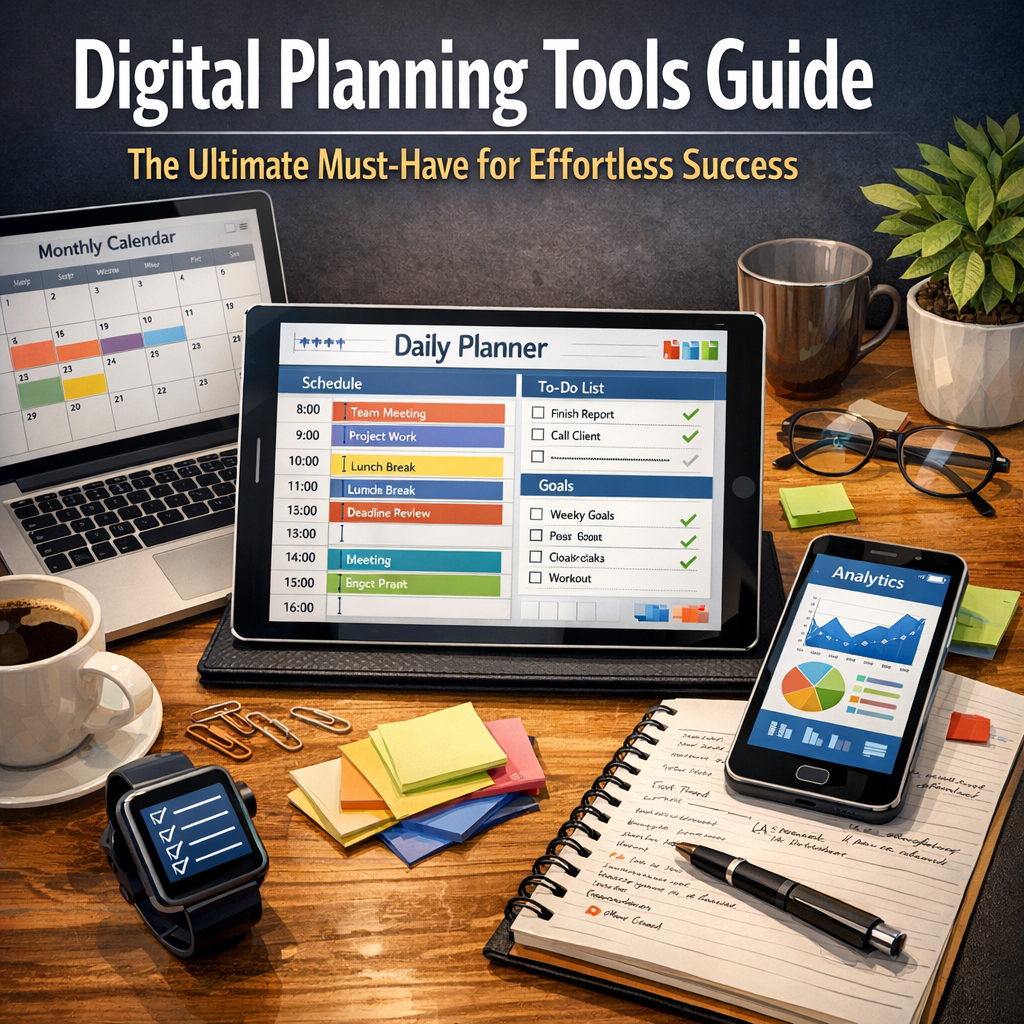
Digital planning tools are software or apps designed to help users organize their time, tasks, projects, and goals in a centralized, digital environment. Unlike traditional paper planners, these tools offer flexibility, real-time updates, collaboration features, and seamless integration across devices. From calendar apps and note-taking software to project management platforms and habit trackers, the possibilities are vast.
Why You Need Digital Planning Tools for Effortless Success
The primary appeal of digital planning tools lies in their ability to transform the way you plan and execute your day-to-day activities. Here are a few compelling reasons to use them:
– Enhanced Organization: With features such as color-coded calendars, task prioritization, and reminders, digital tools help you visualize your commitments and deadlines clearly.
– Improved Productivity: Many tools offer automatic notifications and progress tracking that keep you accountable and on track.
– Increased Flexibility: Access your plans anytime, anywhere—on your desktop, smartphone, or tablet.
– Eco-Friendly Choice: Go paperless and reduce clutter.
– Easy Collaboration: Share calendars, assign tasks, and communicate with teams effortlessly.
Types of Digital Planning Tools to Consider
1. Calendar and Scheduling Apps
One of the essential categories in digital planning tools, calendar apps like Google Calendar, Outlook, and Apple Calendar allow users to schedule appointments, set reminders, and synchronize events across multiple devices. These apps often integrate with other productivity software to centralize your workflow.
2. Task Management Tools
For those who need to break down projects into manageable steps, task management tools such as Todoist, Microsoft To Do, and Wunderlist let you create to-do lists, prioritize tasks, and set deadlines. Many offer features like tagging and subtask organization for deeper control.
3. Project Management Platforms
When working with teams or managing complex projects, platforms like Trello, Asana, and Monday.com shine. These digital planning tools provide boards, timelines, and progress tracking that simplify collaboration and keep everyone aligned.
4. Note-Taking and Brainstorming Apps
Tools like Evernote, Notion, and OneNote not only help you jot down ideas but also organize notes, attach files, and link information for quick access. They are ideal for both creative brainstorming and detailed planning.
5. Habit Trackers and Goal Setting Apps
To build lasting habits and maintain motivation, consider apps like Habitica, Streaks, or Fabulous. These tools encourage consistency by tracking your progress and rewarding achievements.
How to Choose the Right Digital Planning Tools for You
No single digital planning tool fits all needs, so choosing the best applications depends on your lifestyle, work style, and specific requirements. Here are some factors to consider:
– Ease of Use: Intuitive interfaces can make a huge difference in adoption and ongoing use.
– Cross-Device Compatibility: Ensure your tools work on all your preferred devices.
– Integration: Look for apps that can connect with other software in your productivity ecosystem.
– Customization Options: Personalized views, themes, and notification settings enhance user experience.
– Collaboration Features: If you work with others, consider whether the tool supports sharing and teamwork.
– Pricing Structure: Many digital planning tools offer free versions with premium upgrades—balance your needs with budget constraints.
Tips for Maximizing the Benefits of Digital Planning Tools
Once you’ve chosen your digital planning tools, getting the most out of them requires some strategy:
– Establish Routine Usage: Consistency is key. Make checking and updating your planner part of your daily habits.
– Prioritize and Categorize: Use tags, labels, or color codes to distinguish urgent tasks and long-term goals.
– Regularly Review and Adjust: Weekly or monthly reviews help you stay aligned and refine your planning approach.
– Leverage Automation: Many tools offer automated reminders, recurring tasks, and integrations that handle repetitive actions.
– Combine Tools Wisely: Use complementary tools for scheduling, task management, and note-taking rather than trying to force all needs into one app.
The Future of Digital Planning Tools
As technology continues to evolve, digital planning tools are becoming increasingly intelligent and adaptive. Expect advances such as AI-driven suggestions, voice-activated scheduling, and deeper integration with other smart devices. These innovations will further simplify planning, helping users focus more on execution and less on organization.
Conclusion
Digital planning tools are no longer a luxury—they are a necessity for anyone who seeks effortless success in managing time and responsibilities. By choosing the right tools and incorporating them thoughtfully into your daily routine, you can enhance productivity, reduce stress, and make significant strides toward your personal and professional goals. Embrace these innovative solutions today and experience the transformative power of digital planning.