
Coffee Beans Storage Guide: Must-Have Tips for Fresh, Best Flavor
When it comes to enjoying a perfect cup of coffee, coffee beans storage plays a critical role in preserving the rich flavors and aromas that coffee lovers crave. Proper storage techniques ensure that your beans stay fresh longer, maintaining the quality from the moment you buy them until you brew your last cup. Whether you’re a casual drinker or a home barista, understanding how to store coffee beans effectively helps you unlock the best possible flavor every time.
Why Proper Coffee Beans Storage Matters
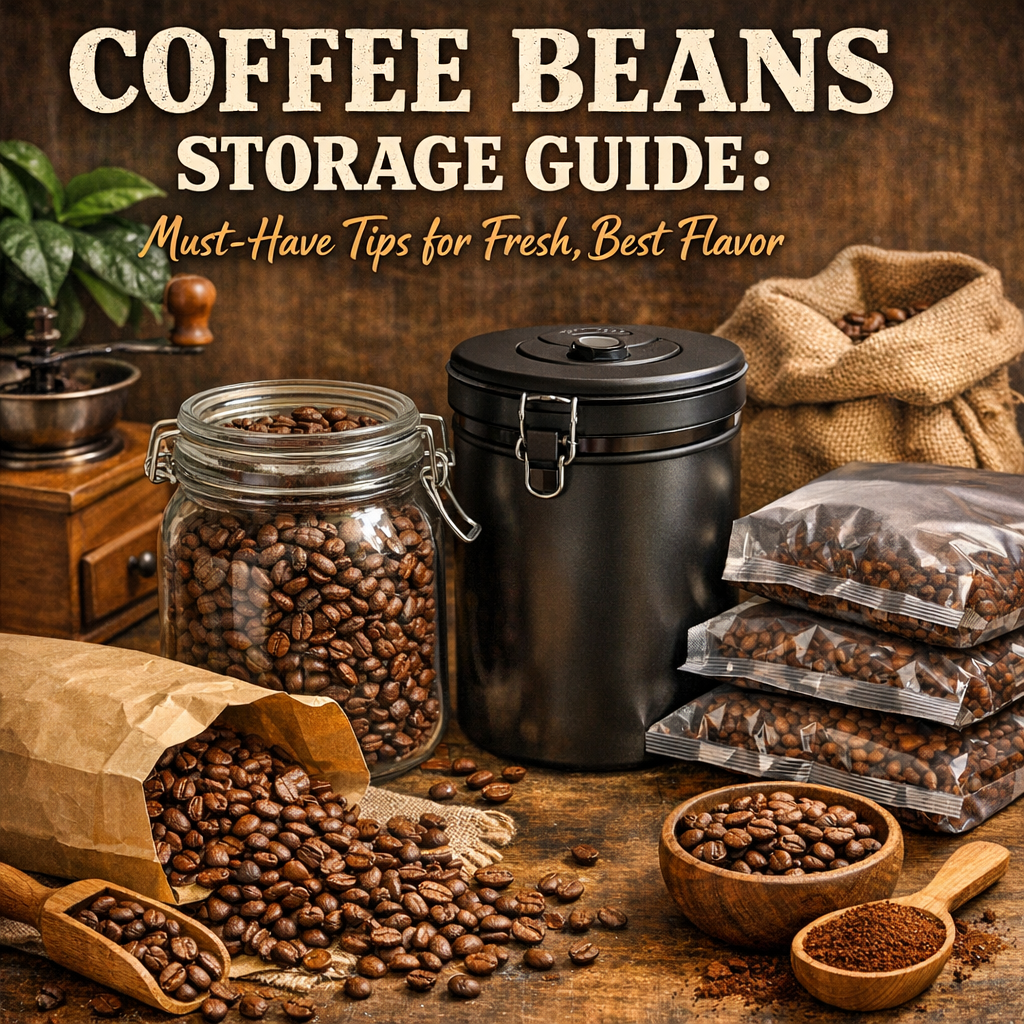
Coffee beans are delicate and prone to oxidation, moisture absorption, and flavor degradation when exposed to air, heat, light, and humidity. Each factor contributes to the staling process, leading to flat or bitter coffee with muted aromas. Freshly roasted coffee liberates natural oils and complex compounds that deliver those distinctive tastes and scents, but these begin to dissipate soon after roasting.
By adopting proper storage habits, you can significantly extend the beans’ shelf life and preserve those enticing flavor profiles. This is essential for anyone who values quality coffee and wants to avoid wasting beans that go stale quickly.
Best Containers for Coffee Beans Storage
Choose Airtight Containers
The most important aspect of coffee beans storage is limiting their exposure to oxygen. Airtight containers are designed to seal in the natural oils and rich compounds within coffee beans. Containers made from materials such as glass, ceramic, or stainless steel with rubber or silicone seals are ideal. Avoid using plastic bags or containers that don’t have a tight seal as air can seep in and accelerate degradation.
Opt for Opaque or Dark-Colored Containers
Light exposure negatively affects coffee beans, causing chemical reactions that degrade flavor. Storing beans in opaque containers blocks out light, preserving the beans’ freshness longer. If using glass jars, pick ones that are tinted or store them in a cabinet away from direct sunlight.
Vacuum-Sealed Bags for Long-Term Storage
For those buying coffee in bulk or storing beans for extended periods, vacuum-sealed bags are excellent for maintaining freshness. These bags remove air from the packaging, creating an ideal environment that delays oxidation. You can also use a vacuum sealer at home to reseal opened bags.
Ideal Environment for Coffee Beans Storage
Keep Coffee Beans Cool but Not Cold
Temperature control is key when it comes to coffee beans storage. Beans should be stored at a cool, consistent temperature but never in the refrigerator or freezer unless you intend to store them long-term. The reason refrigerating is discouraged for daily storage is because frequent temperature changes cause condensation, which introduces moisture and degrades quality.
A cool pantry, pantry cabinet, or countertop away from any heat source makes a great spot for your coffee beans.
Avoid Humidity and Moisture
Moisture is one of the biggest enemies of coffee beans. It can cause mold growth and lead to a loss of flavor and aroma. Store beans in a dry place and avoid areas like above the stove or near the dishwasher where humidity is high. Moisture-free environments help keep your beans crisp and flavorful.
How Much Coffee to Buy and Store
Buy in Small Batches
To maximize freshness, it’s best to purchase coffee beans in smaller amounts that you can use within two to three weeks. Roasted coffee tastes best within the first two weeks after roasting, so buying fresh beans from your roaster or trusted supplier regularly ensures you’re always enjoying peak flavor.
Grind Just Before Brewing
Grinding coffee beans starts the oxidation process because it increases the surface area exposed to air. For the freshest and most flavorful brew, grind beans just before brewing rather than storing pre-ground coffee. If you must grind ahead, store the ground coffee in an airtight container away from light and heat.
Signs Your Coffee Beans Are Past Their Prime
It’s helpful to know when your beans have lost their freshness. Stale beans may smell flat or have a diminished aroma and produce coffee that tastes sour, bitter, or dull. If the beans appear oily or have a rancid scent, this indicates they are old and the oils have oxidized.
Summary: Key Coffee Beans Storage Tips
– Use airtight, opaque containers for storage
– Store beans in a cool, dry, and dark place
– Avoid refrigeration or freezing for short-term storage
– Buy beans in small quantities to ensure freshness
– Grind only before brewing to retain flavor
– Be mindful of moisture and heat exposure
By following this coffee beans storage guide, you can savor every cup with the best flavor possible. Proper care and attention to storage conditions will help keep your coffee fresh, aromatic, and delicious—making each brewing experience a true pleasure. Happy sipping!