
Business Planning Software: The Ultimate Guide to Best Tools
In today’s dynamic and competitive business landscape, having a clear roadmap is essential for success. Business planning software has emerged as a vital resource for entrepreneurs, startups, and established companies alike. These tools help streamline the process of creating, analyzing, and updating business plans, allowing users to focus on strategy and growth rather than paperwork and guesswork. Whether you’re crafting your first business plan or refining an existing strategy, using the right software can make a significant difference.
What Is Business Planning Software?
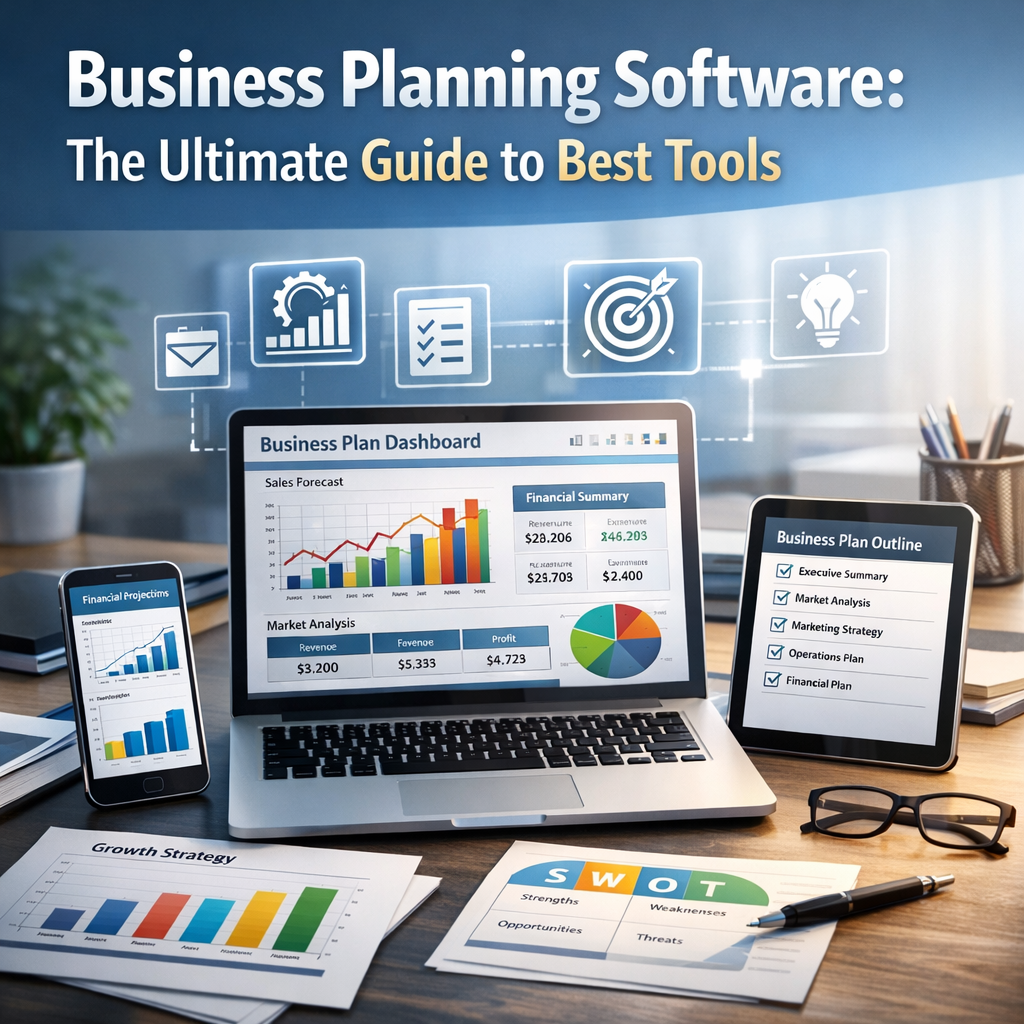
Business planning software is a specialized digital tool designed to assist individuals and organizations in drafting and managing business plans. These platforms typically offer templates, financial forecasting modules, market analysis aids, and collaboration features. By providing a structured framework, the software minimizes errors and accelerates the planning process, enabling businesses to align their goals with actionable steps.
Why Use Business Planning Software?
Using business planning software comes with numerous advantages:
– Efficiency: Automates complex calculations and formatting tasks.
– Accuracy: Ensures financial projections and market analyses are reliable.
– Collaboration: Multiple team members can co-create and edit plans in real-time.
– Presentation: Produces professional-looking documents that can impress investors and stakeholders.
– Adaptability: Easily update plans as market conditions or business models evolve.
Features to Look for in Business Planning Software
When selecting the best business planning software, consider the following critical features:
1. Financial Modeling and Forecasting
An effective tool should support in-depth financial analysis, including cash flow projections, balance sheets, and profit and loss statements. Look for software with customizable templates that fit your industry’s standards.
2. Industry-Specific Templates
Different sectors require unique approaches to planning. Industry-specific templates help tailor your business plan to appeal directly to potential investors and partners in your niche.
3. Collaboration Tools
If multiple team members are involved, real-time collaboration features are a must. They enhance communication and prevent version control issues.
4. Integration Capabilities
The best software integrates seamlessly with other business tools such as CRM systems, accounting software, and marketing platforms.
5. User-Friendly Interface
Intuitive navigation and clear instructions help reduce the learning curve, especially for first-time planners.
Top Business Planning Software Tools in 2024
LivePlan
LivePlan is renowned for its comprehensive yet accessible platform. It offers guided business plan creation, automatic financial forecasting, and integrates with accounting software like QuickBooks. Its visual dashboards make it easy to track progress and key metrics.
Bizplan
Bizplan stands out with a drag-and-drop builder that simplifies the planning process. It provides step-by-step instruction and robust financial tools — ideal for startups seeking both templates and investor management features.
Enloop
Ideal for small businesses and freelancers, Enloop focuses on simplicity and automation. Its auto-write functionality helps generate textual portions of your plan, while automatic financial score metrics evaluate your plan’s viability.
PlanGuru
If your focus is on budgeting and advanced financial forecasting, PlanGuru is an excellent choice. This software is favored by accountants and CFOs for its analytical depth.
StratPad
StratPad combines strategic planning and communication tools, allowing users to create presentations and detailed plans in one place. Its educational resources are valuable for new entrepreneurs.
How to Choose the Right Business Planning Software
Selecting the right business planning software depends on your business size, industry, and specific goals:
– For Startups: Look for user-friendly platforms with investor-oriented templates and pitch-building tools.
– For Small to Medium Businesses: Financial forecasting, scalability, and collaborative features should be prioritized.
– For Established Enterprises: Integrations with existing systems and advanced analytics will be critical.
Consider taking advantage of free trials to evaluate usability and features. Always read user reviews and consult with your finance or business advisors before committing.
Tips for Effective Business Planning with Software
Even with the best tools, the quality of your business plan depends on your input. Here are some tips to maximize your success:
– Set Clear Objectives: Know what you want your plan to achieve — securing funding, guiding internal strategy, or entering new markets.
– Do Your Research: Gather accurate data on your industry, competitors, and customers before filling in templates.
– Keep it Realistic: Use conservative estimates in your financial forecasts to maintain credibility.
– Update Regularly: Business plans are living documents; revisit and revise as conditions change.
– Leverage Collaboration: Use software tools to get input from different departments and stakeholders.
Conclusion
Business planning software is a game-changer for creating professional, actionable, and investor-ready business plans. By automating complex tasks and providing structured guidance, these tools empower businesses to strategize effectively and respond quickly to market demands. Whether you’re launching a startup or scaling a company, integrating the right business planning software can be your strategic advantage for success in 2024 and beyond.