
Arabica vs Robusta Coffee: Ultimate Guide to the Best Choice
When diving into the world of coffee, few debates are as fundamental as Arabica vs Robusta. These two main coffee species dominate global production, shaping the flavor profiles, caffeine content, and overall coffee-drinking experience. Understanding the differences between Arabica and Robusta beans can guide you toward the best choice for your taste preferences and brewing needs. This ultimate guide breaks down everything you need to know about these two beans to make an informed decision.
Origins and Growing Conditions
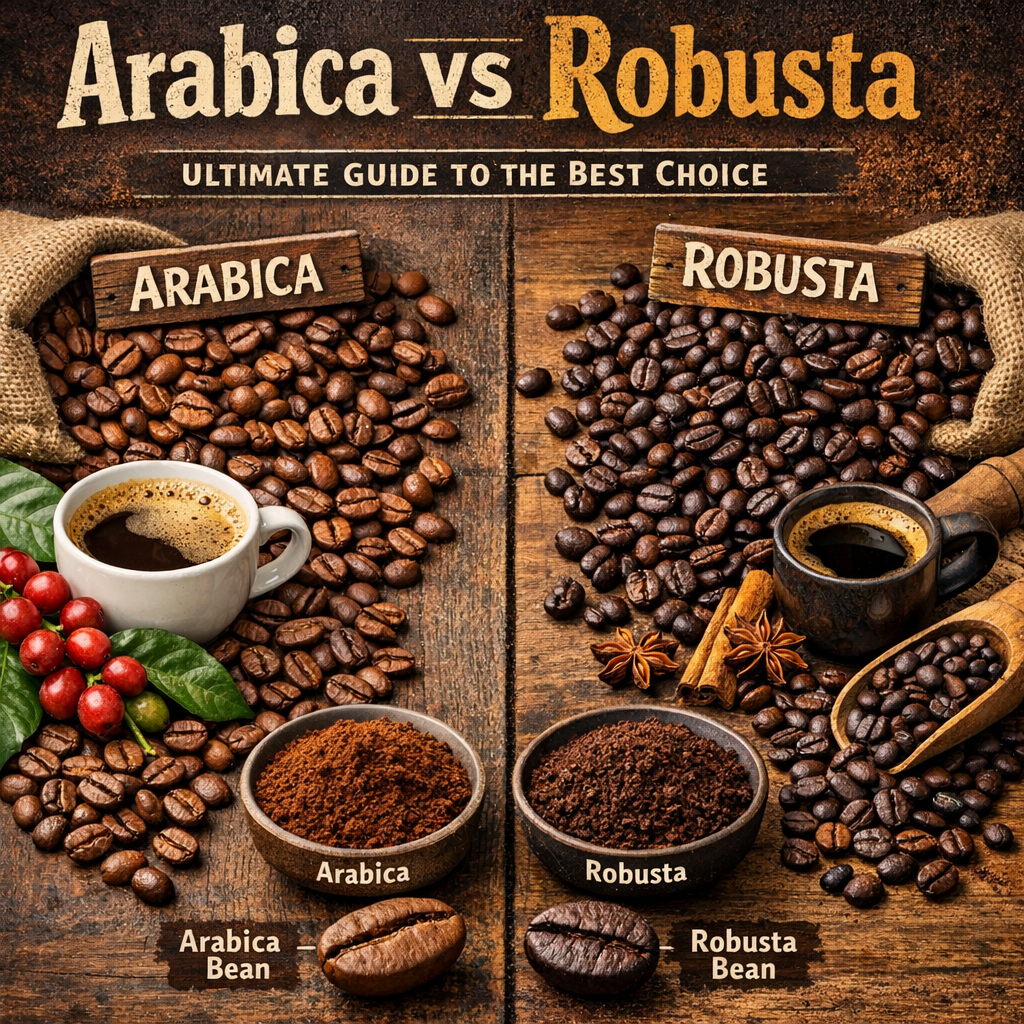
Arabica coffee (Coffea arabica) is believed to have originated in the highlands of Ethiopia, thriving best at higher altitudes, usually between 2,000 and 6,000 feet. Its cultivation requires cooler climates and a lot of care, making it more susceptible to pests and diseases.
Robusta coffee (Coffea canephora), on the other hand, is commonly grown in lower altitude regions such as West Africa, Indonesia, and Vietnam. It is much hardier than Arabica, with the ability to withstand higher temperatures, poorer soil quality, and more pests. This resilience makes it cheaper and easier to cultivate on a large scale.
Taste and Flavor Profiles: The Heart of Arabica vs Robusta
One of the most noticeable differences between Arabica and Robusta coffee lies in their flavors:
– Arabica offers a smooth, often fruity and complex flavor profile. It tends to have a sweeter, more nuanced taste with hints of chocolate, nuts, and sometimes floral or berry undertones. Its acidity is bright but balanced, giving it a clean finish.
– Robusta tastes stronger and more bitter, often described as earthy, woody, or nutty but with less complexity than Arabica. It carries a heavier body and a slightly harsh or astringent aftertaste. Due to its higher caffeine content, it can also taste somewhat more bitter.
Because of this, Arabica is often favored by specialty coffee drinkers for its refined and varied flavor spectrum, while Robusta is frequently used in instant coffee blends or espresso for its bold punch and crema-enhancing properties.
Caffeine Content: Which One Packs More Punch?
When comparing Arabica vs Robusta, caffeine content is a key factor. Robusta beans typically contain about twice the caffeine of Arabica beans, averaging from 2.2% to 2.7% caffeine by weight, compared to Arabica’s 1.2% to 1.5%.
Higher caffeine gives Robusta several advantages:
– More bitterness, which influences taste.
– Greater pest resistance due to caffeine acting as a natural insect deterrent.
– A more robust energy boost.
For those sensitive to caffeine or who prefer a milder coffee experience, Arabica may be a better option. For those seeking a stronger kick, Robusta could be the winner.
Price and Availability: What to Expect
In the global coffee market, Arabica is generally more expensive than Robusta. Several factors contribute to this:
– Arabica requires more specific growing conditions and careful cultivation.
– It has a lower yield on average than Robusta.
– Its delicate harvesting and processing drive up costs.
Robusta, with its easier cultivation and hardiness, is cheaper to produce and widely used in commercial blends and instant coffee products. However, the premium specialty coffee industry focuses heavily on Arabica beans due to their superior flavor.
Brewing: Which Bean Works Best for Your Method?
Your brewing method can influence whether Arabica or Robusta is the best choice:
– Espresso: Many espresso blends include a percentage of Robusta because it creates a thicker crema and adds body and bitterness. However, high-end espresso blends might lean toward Arabica for smoother flavor.
– Drip Coffee and Pour-Over: Arabica is preferred here for its clean, delicate taste that shines through slower brewing methods.
– Instant Coffee: Due to cost-effectiveness, Robusta is commonly used in instant coffee production.
– French Press: Both beans work, but Arabica’s complex flavor is often favored for immersion brewing.
Health Benefits and Considerations
Both Arabica and Robusta offer health benefits thanks to their antioxidant content and caffeine. However, because Robusta has more caffeine, it can result in stronger stimulant effects, which might be too intense for sensitive individuals.
Interestingly, some studies suggest Robusta has higher amounts of antioxidants compared to Arabica, which can benefit overall health.
How to Choose Between Arabica and Robusta Coffee
When it comes to the Arabica vs Robusta debate, your choice depends largely on your personal preferences. Here are some quick tips:
– Choose Arabica if you:
– Prefer a softer, sweeter, and more complex coffee.
– Enjoy specialty coffee and diverse flavor profiles.
– Are sensitive to caffeine or dislike bitter coffee.
– Choose Robusta if you:
– Want a stronger, more bitter flavor with more caffeine.
– Are budget-conscious and want a cost-effective option.
– Prefer espresso with a fuller body and richer crema.
– Want a more robust coffee that can tolerate bold brewing.
Final Thoughts
Both Arabica and Robusta coffees bring unique qualities to the table, making them suitable for different tastes and purposes. While Arabica is celebrated for its flavor complexity and aromatic nuances, Robusta wins points for its strength, caffeine content, and affordability.
Whether you’re a casual coffee drinker or a seasoned aficionado, understanding the differences between Arabica and Robusta allows you to appreciate your favorite cup even more and make an informed choice every time you buy beans. Experiment with both and discover which brew suits your palate best!