
AI Task Management Tools: The Ultimate Guide to Best Effortless Solutions
In today’s fast-paced digital world, AI task management tools have become indispensable for businesses and individuals seeking to streamline their workflows and boost productivity without unnecessary stress. These intelligent systems leverage artificial intelligence to automate mundane tasks, prioritize assignments, and provide insightful analytics, making project management more efficient and less labor-intensive. Whether you’re managing a team or juggling multiple personal projects, understanding how AI can transform task management is key to staying ahead.
What Are AI Task Management Tools?
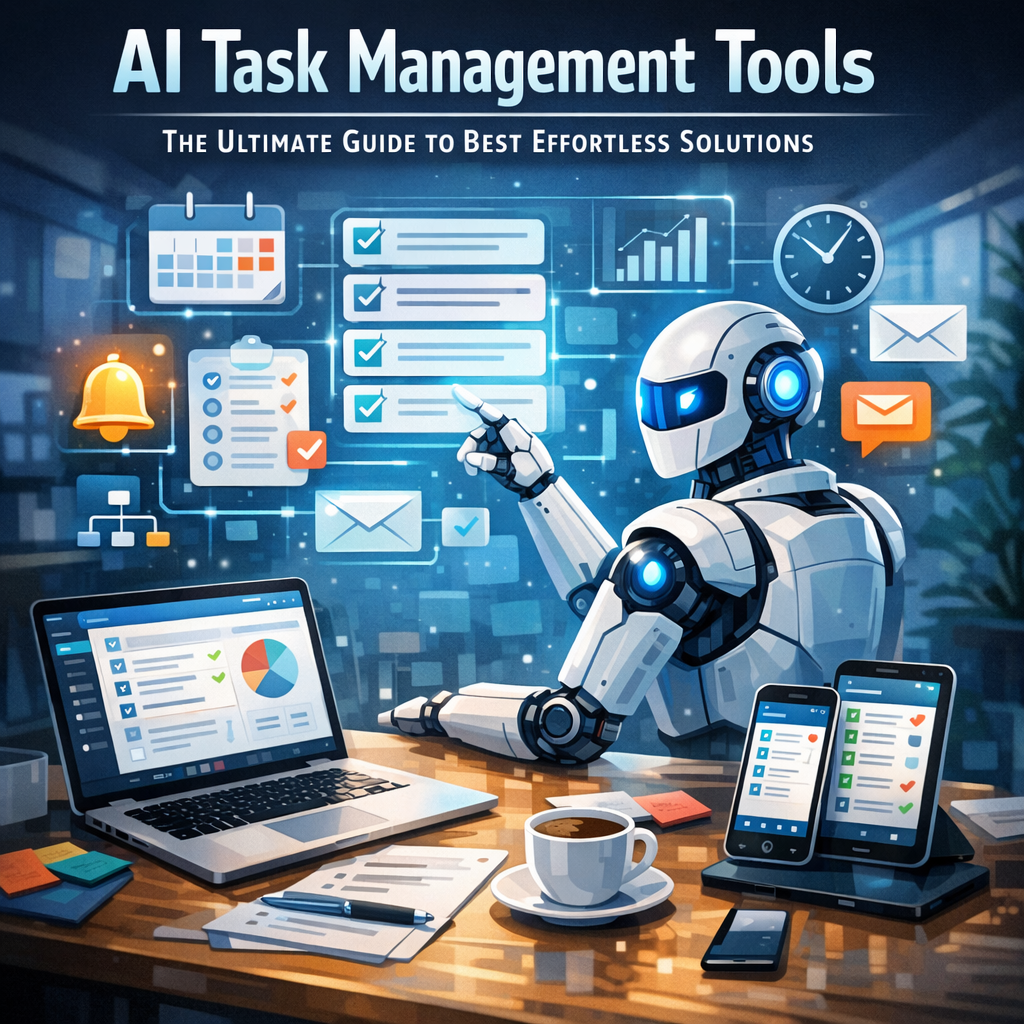
AI task management tools are software platforms that incorporate artificial intelligence capabilities to help users organize, execute, and track their tasks. Unlike traditional project management tools, these AI-powered solutions offer advanced functionalities such as predictive scheduling, smart notifications, automated resource allocation, and natural language processing that allow for intuitive task input and updates.
By analyzing your work patterns and project demands, AI task management tools can suggest optimal task sequences and deadlines, making your workflow smoother and more adaptable to unexpected changes. The ultimate goal is to reduce manual intervention while enhancing focus on high-value activities.
Key Features of AI Task Management Tools
To understand why AI task management tools stand out, it’s important to explore the features that make them exceptional:
1. Intelligent Task Prioritization
One of the most valuable features is AI-driven prioritization. These tools assess deadlines, dependencies, workload, and even historical performance to determine which tasks need immediate attention versus those that can wait. This capability prevents burnout and ensures critical deadlines are met consistently.
2. Automated Scheduling and Rescheduling
AI task management tools automatically schedule tasks based on priorities and available resources. If unexpected events occur or a task takes longer than expected, the AI adjusts the schedule in real-time, maintaining optimal productivity without requiring constant manual updates.
3. Natural Language Task Input
Instead of manually entering detailed task parameters, many AI tools allow natural language input. For example, typing “Finish report by Friday” prompts the tool to create a task with the appropriate deadline, reminders, and context, making task management seamless.
4. Collaboration and Communication Enhancements
AI can analyze communication patterns within teams, flag bottlenecks, and suggest ways to improve collaboration. Some tools even integrate chatbots to answer team queries, update task statuses, or send notifications, ensuring everyone is aligned without unnecessary meetings.
5. Productivity Analytics and Insights
Detailed reports and analytics generated by AI help identify productivity trends, common distractions, or task delays. These insights empower managers and individuals to make data-driven decisions to improve workflow efficiency continually.
Benefits of Using AI Task Management Tools
Adopting AI task management tools comes with multiple benefits that extend beyond just saving time:
– Enhanced Efficiency: Automating routine processes and reminders reduces the time spent on administrative tasks.
– Improved Task Visibility: Real-time tracking and predictive updates provide a clear picture of project progress.
– Reduced Human Error: AI minimizes mistakes related to scheduling conflicts and missed deadlines.
– Personalized Workflow: The system learns individual working styles and adapts task assignments accordingly.
– Scalability: Whether you’re a solo freelancer or leading a large organization, AI task management solutions scale to meet your needs.
Top AI Task Management Tools in the Market
Here are some of the leading tools that exemplify how AI is revolutionizing task management:
Asana with Work Graph™
Asana uses its proprietary Work Graph™ intelligence to automate task prioritization, automatically update statuses, and predict project risks. The AI integration helps teams plan and execute projects dynamically, making it easier to stay on track.
ClickUp
ClickUp leverages AI to generate task descriptions, prioritize work based on deadlines, and offer time estimates. Its robust collaboration features combined with AI-driven automation simplify workload distribution.
Monday.com
Monday.com incorporates AI-based automation to handle repetitive tasks and enhance communication flow. It offers AI insights that recommend the best approaches to resource allocation and workflow optimization.
Todoist
Todoist’s AI-powered Smart Schedule helps users plan their daily workload by suggesting the best times to tackle pending tasks, based on priorities and past behavior, for maximizing productivity without burnout.
Trello with Butler Bot
Trello integrates AI with the Butler automation bot, which sets rules and triggers to streamline task updates, send reminders, and manage dependencies, making project tracking effortless.
How to Choose the Right AI Task Management Tool
Selecting the ideal AI task management tool depends on several factors:
– Team Size and Needs: Larger teams may require robust collaboration and reporting features, while individuals might prioritize simplicity.
– Integration Capabilities: Ensure the tool integrates seamlessly with other software you use, such as calendars, email, or communication platforms.
– Ease of Use: The interface should be intuitive with natural language support for quick adoption by all users.
– Customization: Look for flexibility in workflows and automation rules to tailor the system to your unique processes.
– Cost: Evaluate pricing models to find a solution that fits your budget without compromising essential features.
Future Trends in AI Task Management Tools
The field of AI task management is evolving rapidly. Future trends include greater use of machine learning to forecast project outcomes more accurately, enhanced voice-activated task input, deeper integrations with virtual assistants, and more sophisticated emotional intelligence applications to gauge team morale and productivity.
Conclusion
Adopting ai task management tools is no longer just an option but a strategic necessity for those aiming to optimize workflows and maintain a competitive edge. These intelligent systems reduce the burden of manual planning and follow-up, providing a proactive approach to task management that adapts to changing circumstances. By understanding their capabilities and choosing the right platform, users can unlock unprecedented levels of efficiency and focus, ensuring that every project moves forward effortlessly and effectively.
Embracing AI-powered task management can truly revolutionize how work gets done, making it that much easier to achieve goals with less hassle.