
Digital Planning Tools: The Ultimate Must-Have Guide for Success
In today’s fast-paced world, staying organized and productive is more important than ever. Digital planning tools have emerged as essential resources for individuals and businesses aiming to streamline their workflows, manage time effectively, and achieve goals with ease. Whether you’re a student, professional, entrepreneur, or creative, integrating the right digital planning tools into your routine can dramatically improve your efficiency and reduce stress.
What Are Digital Planning Tools?
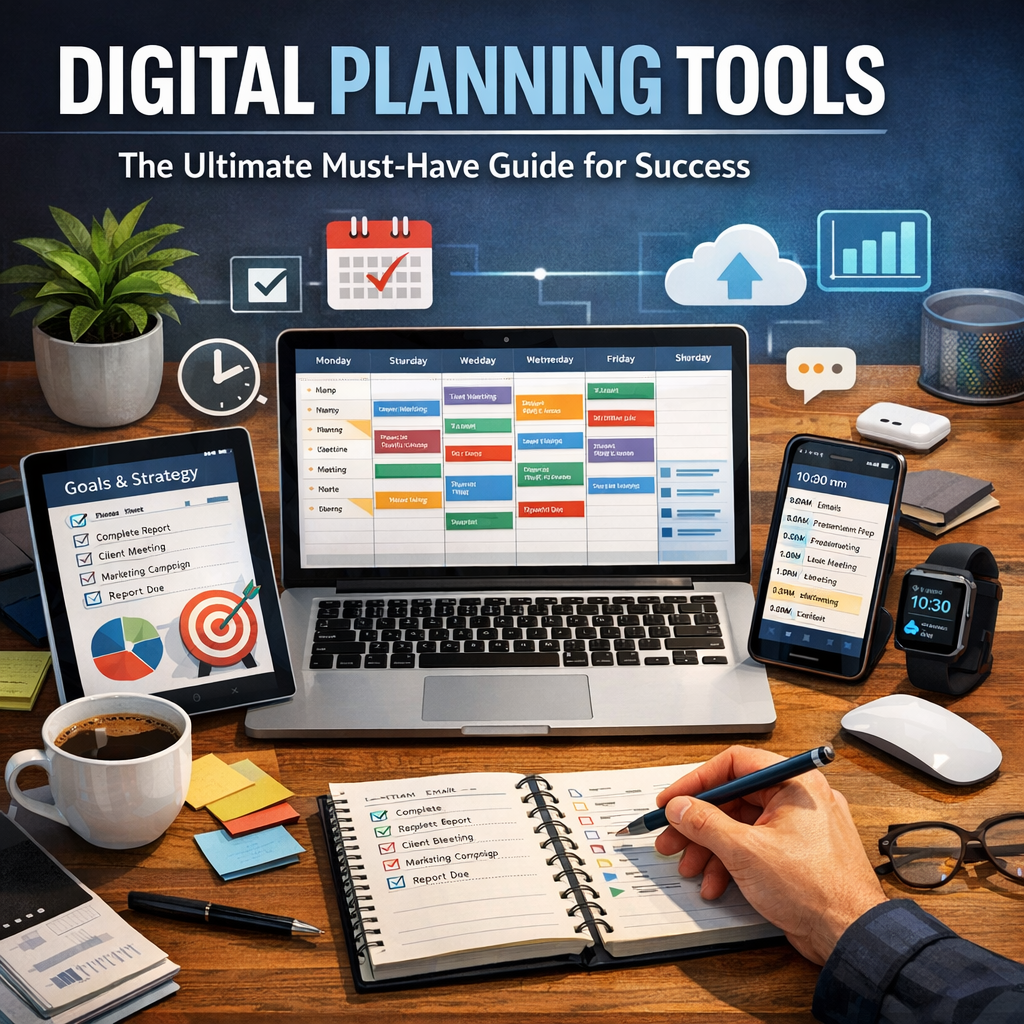
Digital planning tools are software applications designed to help you organize tasks, schedules, projects, and goals using digital devices. Unlike traditional paper planners, these tools offer flexibility, real-time updates, and advanced features such as reminders, collaboration, note-taking, and progress tracking. They are accessible on various platforms, including smartphones, tablets, and computers, making it easy to plan from anywhere.
Why You Need Digital Planning Tools for Success
The benefits of adopting digital planning tools extend far beyond simple task lists. Here are some compelling reasons why these tools are must-haves for anyone serious about success:
– Improved Organization: Digital planners keep everything centralized. You can create multiple calendars, categorize tasks, and prioritize work without flipping through physical pages.
– Enhanced Productivity: Features like notifications and automated reminders ensure deadlines are never missed, helping you maintain momentum.
– Collaboration Made Easy: Many digital tools support team projects, allowing users to share tasks, comment, and track progress collectively.
– Eco-Friendly and Cost-Effective: Going digital reduces paper waste and eliminates the need to purchase new planners every year.
– Customization: Tailor your planner to fit your style and needs, from color-coding to linking to other productivity apps.
Top Types of Digital Planning Tools
Exploring different kinds of digital planning tools can help you find what fits best with your workflow. Here’s a breakdown of popular categories:
1. Calendar Apps
Applications like Google Calendar and Microsoft Outlook offer robust features for scheduling events, setting reminders, and syncing with multiple devices and platforms. They’re perfect for managing appointments, deadlines, and daily routines.
2. Task Management Software
Tools such as Todoist, Microsoft To Do, and TickTick let you create detailed task lists with due dates, priorities, and notes. These platforms excel at breaking down big projects into manageable actions.
3. Project Management Platforms
For more complex or collaborative projects, platforms like Trello, Asana, and Monday.com offer boards, timelines, and team communication features. They help visualize progress and assign responsibilities.
4. Note-Taking Apps
Apps like Evernote, OneNote, and Notion combine planning and note-taking, allowing you to keep meeting notes, research, and your to-do list in one place.
How to Select the Right Digital Planning Tools for You
Choosing the best digital planning tool depends largely on your personal or professional needs. Here are some tips to guide your decision:
– Identify Your Planning Style: Some users prefer straightforward task lists, while others thrive with visual boards or goal trackers.
– Consider Collaboration Needs: If you work with teams, look for tools with robust sharing and communication options.
– Check for Integration: Tools that sync with your email, calendar, or other apps can save time.
– Ease of Use: Choose an intuitive interface to avoid spending excessive time learning the system.
– Cross-Device Compatibility: If you switch between devices – such as phone, tablet, or desktop – seamless syncing is critical.
Tips for Maximizing the Benefits of Digital Planning Tools
Simply downloading a digital planner isn’t enough; how you use it makes all the difference. Here are some best practices to fully leverage digital planning tools:
– Set daily, weekly, and monthly goals to keep your tasks aligned with your long-term objectives.
– Use recurring tasks and reminders to automate routine activities.
– Regularly review and adjust your plans to accommodate changes.
– Combine your digital planner with time management techniques like the Pomodoro Technique or time blocking.
– Back up your data to avoid losing important information.
The Future of Digital Planning Tools
As technology evolves, digital planning tools continue to become more intelligent and integrated. Artificial Intelligence (AI) is being leveraged to predict task priorities, automate scheduling conflicts, and offer personalized productivity insights. Additionally, integration with wearable devices and voice assistants is making planning even more accessible.
Conclusion
Digital planning tools are no longer a luxury but a necessity for anyone aiming to excel in today’s dynamic environment. They offer unmatched convenience, flexibility, and functionality to organize your tasks and projects effectively. By understanding the various types and learning how to select and use these tools strategically, you can unlock new levels of productivity and pave your way to success. Whether you’re managing daily errands or complex business projects, embracing digital planning will undoubtedly empower you to work smarter, not harder.