
Coffee Brewing Guide: Must-Have Tips for the Best Brew
Brewing the perfect cup of coffee is both an art and a science. Whether you’re a seasoned coffee enthusiast or a beginner just starting to explore the world of coffee, having a reliable coffee brewing guide can transform your daily ritual into an exquisite experience. From selecting the right beans to mastering different brewing methods, every step influences the flavor and aroma of your final cup. This article provides essential tips and tricks to help you brew the best coffee at home, ensuring each sip is rich, balanced, and satisfying.
Understanding the Basics of Coffee Brewing
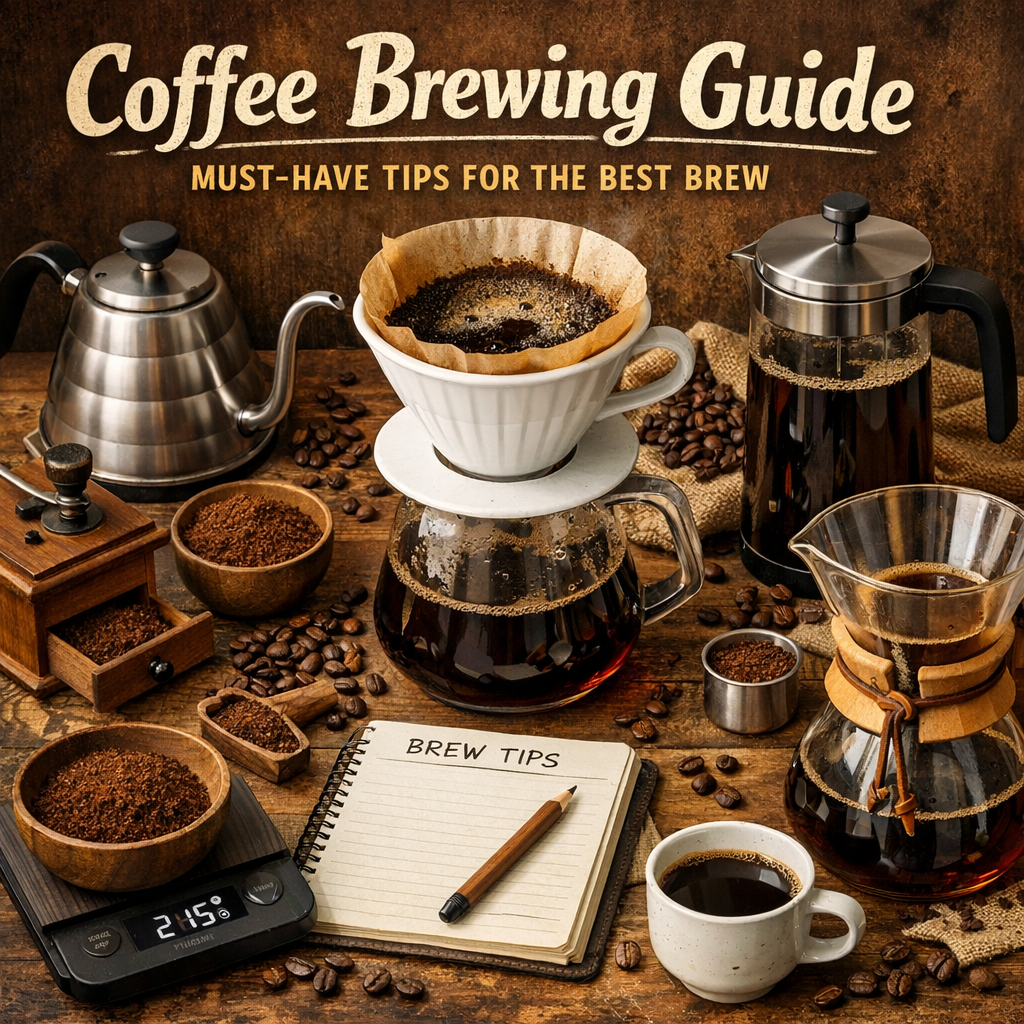
The foundation of any great coffee starts with quality beans. Freshly roasted, high-quality coffee beans are crucial because the flavor compounds degrade over time. Once you have your beans, the next essential element is the grind size, which directly affects extraction and taste. A coarse grind is typically used for French press, medium grind for drip coffee, and fine grind for espresso.
Water quality and temperature also play pivotal roles. Use filtered water to avoid off-flavors from minerals or chlorine, and maintain a water temperature between 195°F and 205°F for optimal extraction. Too hot or too cold, and your coffee can taste bitter or under-extracted.
Essential Tips from a Trusted Coffee Brewing Guide
Choose the Right Coffee Beans
Start with beans that match your flavor preference—whether you love fruity, floral notes or prefer a dark, robust roast. Single-origin beans often offer distinct taste profiles, while blends provide a balanced flavor. Always check the roast date to ensure freshness; coffee tastes best within two to four weeks of roasting.
Master the Coffee-to-Water Ratio
One of the most common mistakes in home brewing is using an improper coffee-to-water ratio. A good rule of thumb is 1 to 2 tablespoons of coffee per 6 ounces of water, but this can be adjusted based on your taste preferences. Using a kitchen scale helps ensure precision for consistent results.
Grind Fresh, Brew Immediately
Grinding coffee beans just before brewing preserves the delicate oils and aromas that contribute to flavor complexity. Avoid pre-ground coffee when possible, and invest in a burr grinder for uniform particle size. Consistent grind size allows for even extraction, preventing bitter or weak flavors.
Experiment with Brewing Methods
Different brewing methods highlight various facets of coffee’s flavor. Here’s a brief overview:
– French Press: Provides a bold, full-bodied cup with a rich mouthfeel due to the immersion brewing process.
– Pour-Over: Offers clarity and brightness by controlling water flow and extraction time.
– Espresso: Produces a concentrated, intense shot using high pressure—perfect for espresso-based drinks like lattes or americanos.
– Cold Brew: Steeps grounds in cold water for an extended period, yielding a smooth, less acidic beverage.
Try different techniques to discover what suits your palate best.
Monitor Brewing Time and Temperature
Each brewing method requires specific timing. For example, a French press usually needs 4 minutes, while an espresso shot extracts in about 25 to 30 seconds. Over-extraction can cause bitterness, while under-extraction leads to weak, sour flavors. Consistency in timing and temperature will improve your brewing reliability.
Clean Your Equipment Regularly
Coffee oils and residue build up and can taint the flavor of your brew. Regularly clean grinders, coffee makers, and carafes to prevent stale or rancid tastes. Use warm water and mild detergent, and descale machines according to the manufacturer’s instructions.
Advanced Tips for Coffee Aficionados
Use a Scale for Precision
Measuring your coffee and water by weight, rather than volume, ensures accuracy. A digital scale lets you experiment with different ratios and easily replicate successful brews.
Adjust for Altitude and Water Composition
If you live at high altitude, water boils at a lower temperature, impacting extraction. Adjust your brewing temperature accordingly. Additionally, water hardness affects flavor extraction, so using filtered or bottled water may improve taste.
Pre-Wet the Grounds (Blooming)
For pour-over or drip methods, pre-wetting the grounds lets trapped carbon dioxide escape, which helps even extraction. Allow the coffee to “bloom” for 30 to 45 seconds before continuing to pour water.
Final Thoughts
A great cup of coffee is within reach when you follow the right guidelines. This coffee brewing guide emphasizes the importance of fresh beans, proper grind size, accurate ratios, and attention to detail throughout your brewing process. By honing these fundamentals and exploring different techniques, you can elevate your coffee experience every morning. Remember, brewing coffee is not just about caffeine; it’s about savoring the nuances and joy that a well-crafted cup brings to your day. So, grab your favorite beans, experiment with these tips, and enjoy the rich world of coffee right at home.